Curatorial Statement
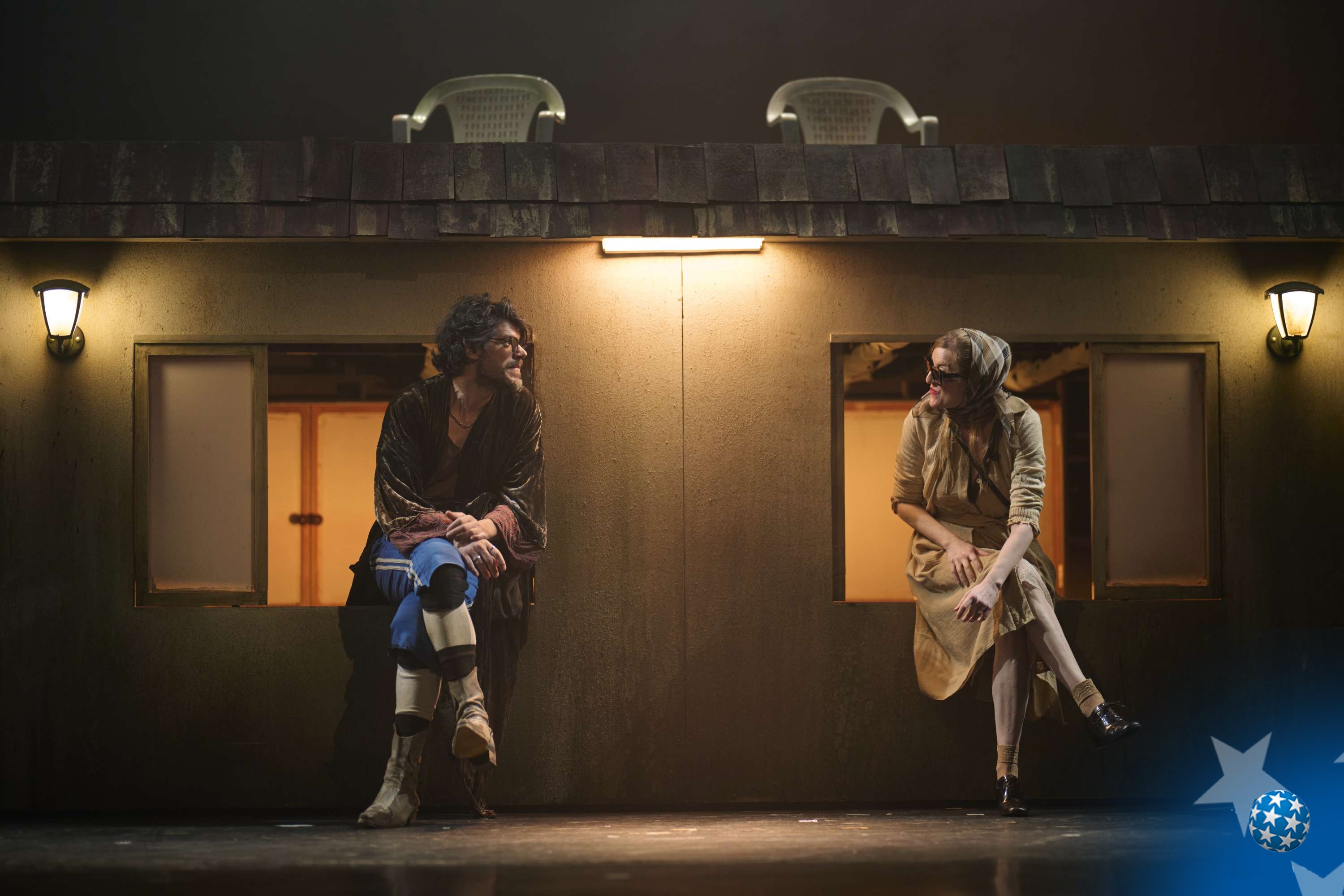
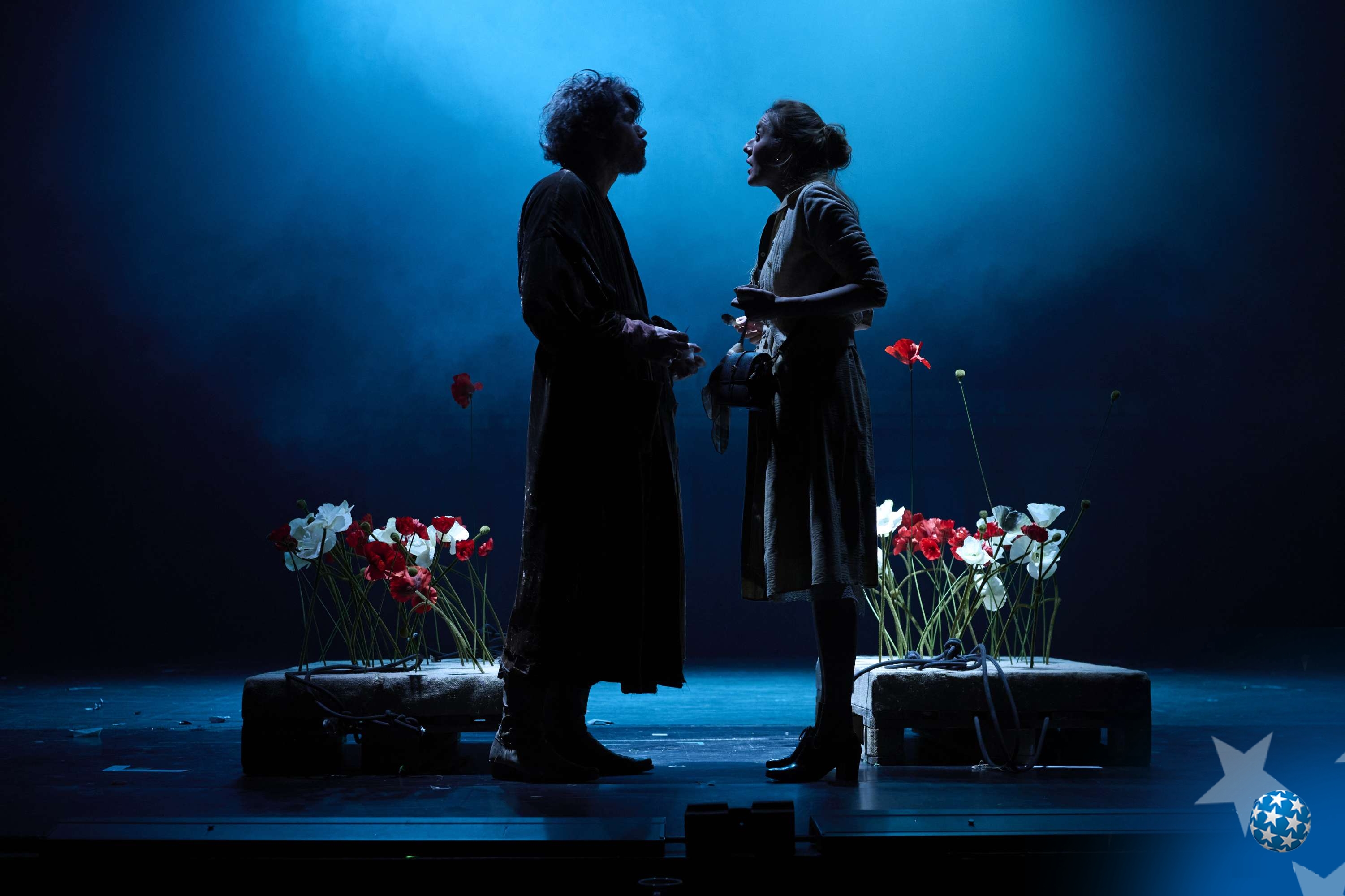
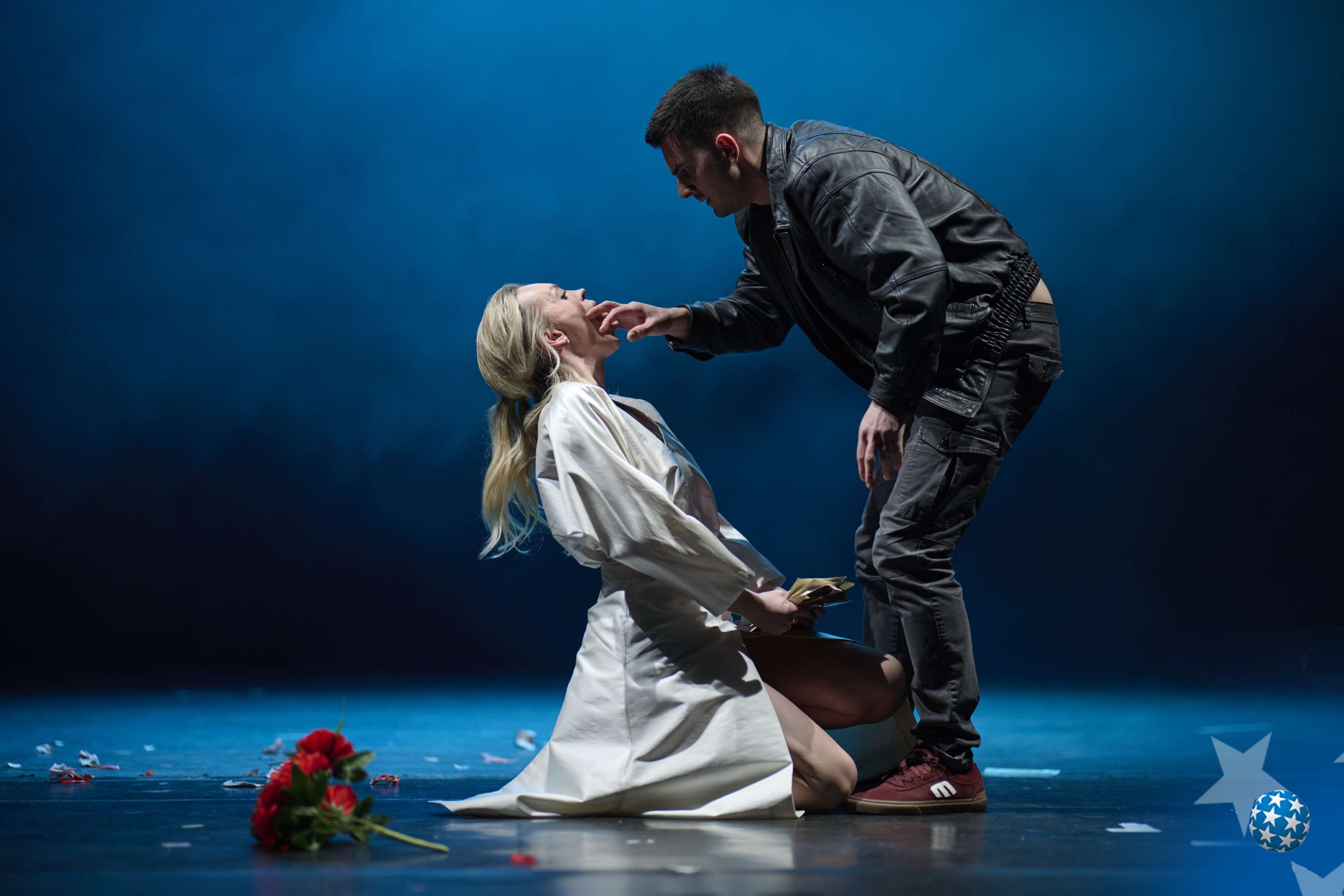
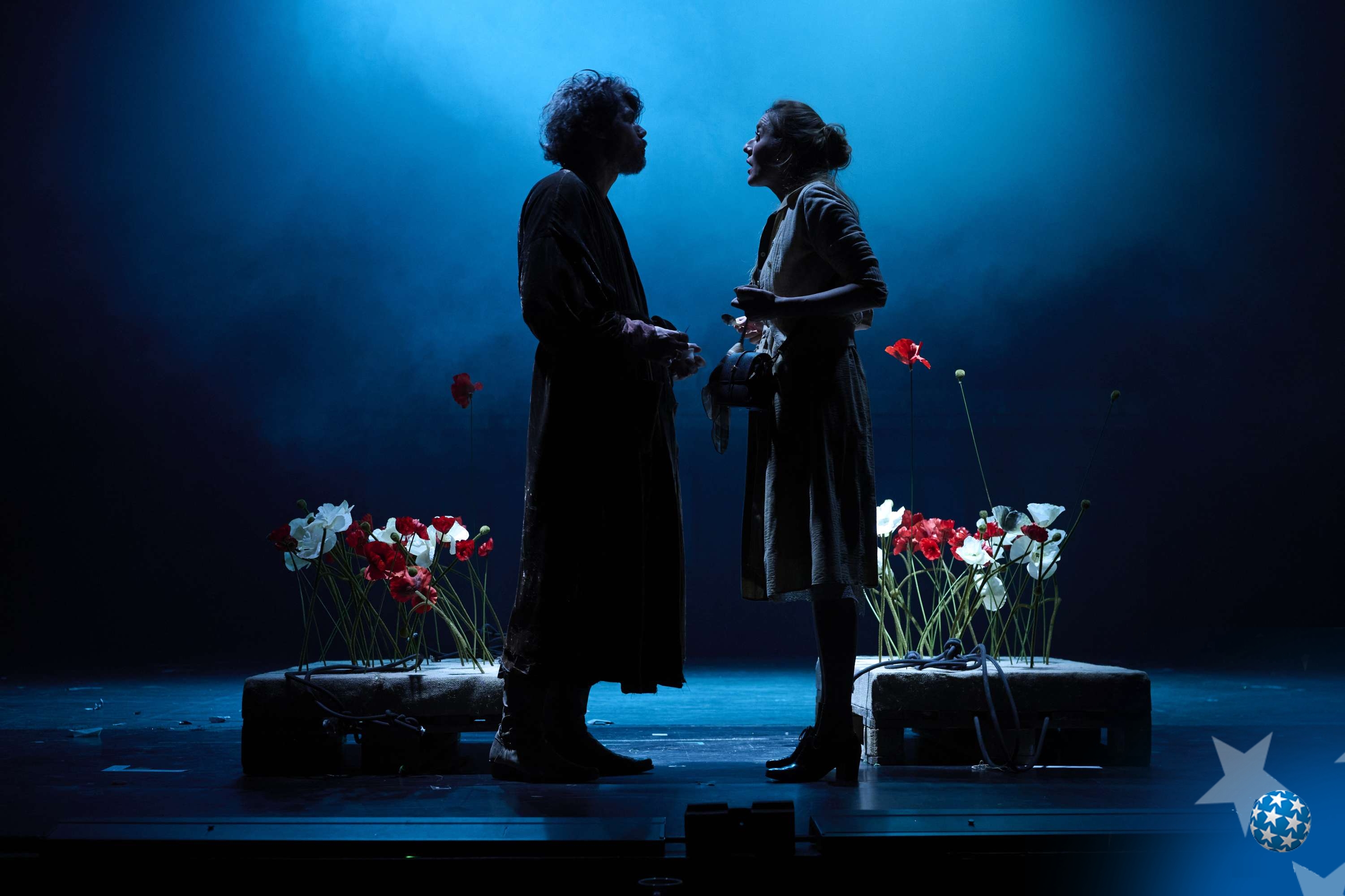
Dejan Dukovski's Black Gold, directed by Oliver Frljić, begins within a family defined by absence, memory and everything that has remained unspoken for years. A son who was believed to be lost reappears as Angela, a successful businesswoman from Spain. Her presence changes the relationships between the family members and raises the question of what happens when someone we have placed in our past suddenly appears before us in a form that no longer fits the image we have created of that person.
Frljić describes the mechanism of the performance as “tragic ignorance.” The characters do not possess a complete picture of what is happening, and their decisions produce consequences they cannot foresee. Family relationships thus become a space in which broader social relations are also reflected. What is political does not remain outside the home; it enters language, behaviour and family relationships.
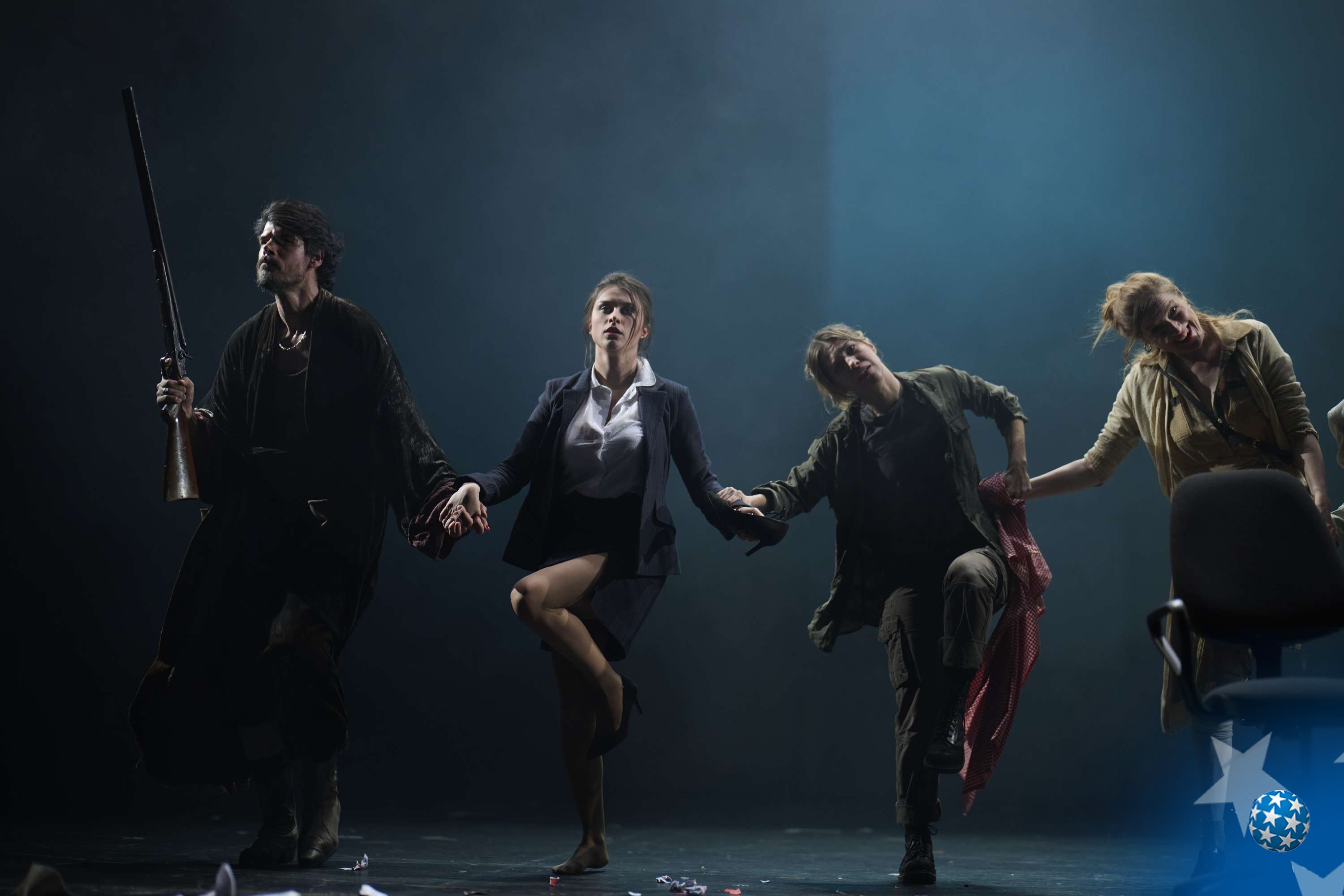
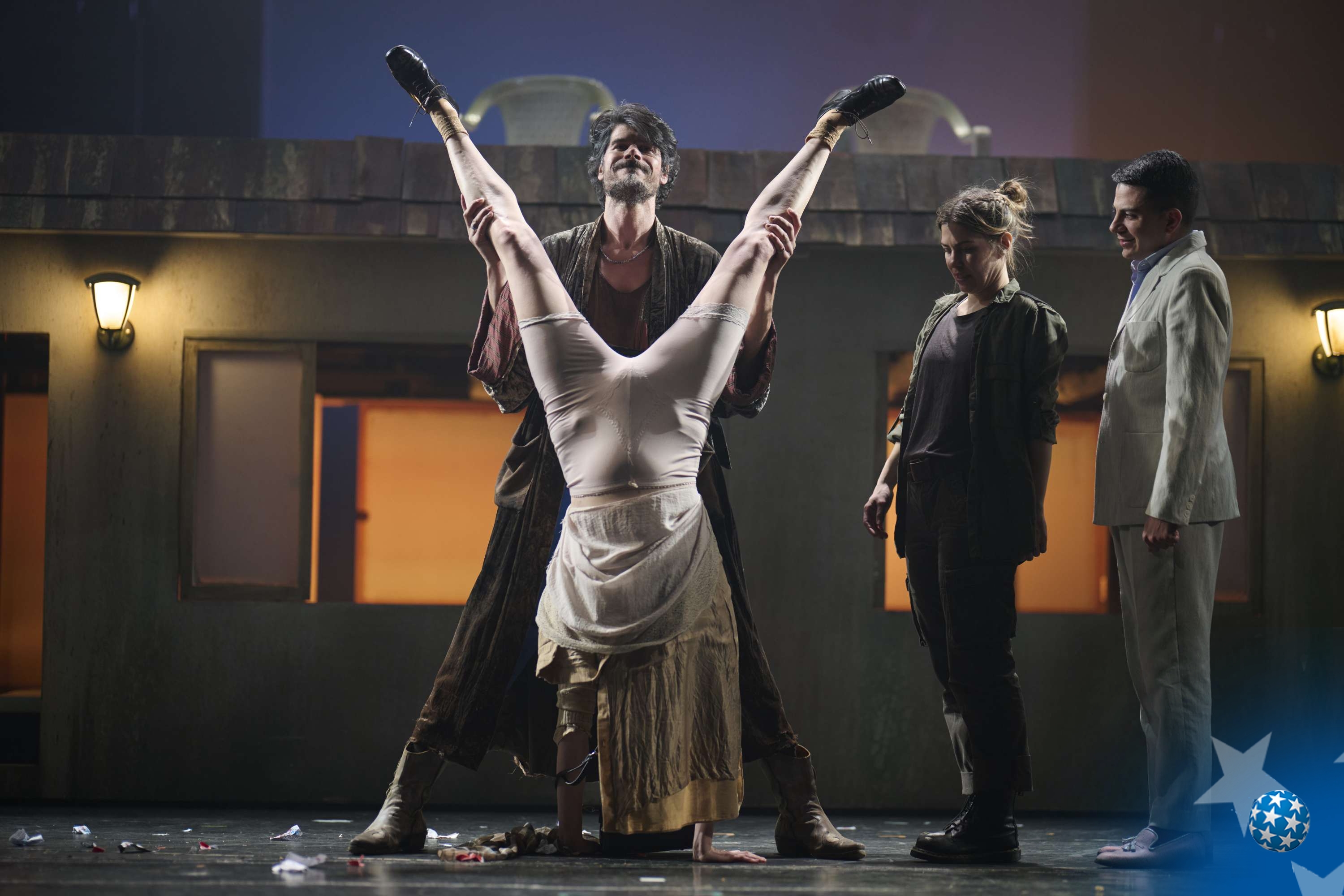
The directorial approach relies on a collision of different genre registers. Elements of absurdism, melodrama, black comedy and musical theatre alternate throughout the performance. The stage movement by Milica Cerović connects individual sequences, while the musical material moves between Macedonian melodies, rock and classical pieces. Angela's costume also establishes a direct connection with the familiar image of Marilyn Monroe.
Anja Ćurčić, Milutin Milošević, Nataša Marković, Jana Milosavljević, Milan Zarić, Amar Ćorović and Bojana Stojković create a family whose relationships change as information that has long been suppressed gradually comes to light. At the centre remains the relationship between Dimitrije and Angela, through which the personal story collides with the expectations of the surrounding community.
Black Gold thus uses the family as a space in which questions of identity, memory, belonging and changes that a community is not easily prepared to accept, come together.
About the Performance
In Black Gold Dukovski places the dramatic focus on a family caught in multiple transitions - social, political, ethical, as well as gender-related. The promised transition from one political system to another was never fully completed. Dominant values found themselves in a vacuum between what once was and what was supposed to come. Instead of that promised tomorrow, an unknown woman named Angela enters the drama - a successful businesswoman, one of our own, now living in Spain. As she becomes entangled in the complex web of family relationships burdened by the departure of the son, Angel, it is gradually revealed that the “lost son“ is - her.
Oliver Frljić