Curatorial Statement
Mike Bartlett's Albion, in Zafir Radjab's stage adaptation and direction, begins with the story of Audrey Walters, a woman who, following a personal loss, attempts to restore an old estate and garden that represents a connection to her past. From the outset, the garden is therefore more than the setting of the action: it is the place where memory, loss and the desire to restore what once existed meet.
Radjab does not approach the text primarily as a political story about contemporary Britain. Instead, he focuses on the individual's relationship with memory. What Audrey sees as the restoration of a lost world is not necessarily experienced in the same way by the other characters. The attempt to restore the past thus also becomes an attempt to impose a particular understanding of that past on others.
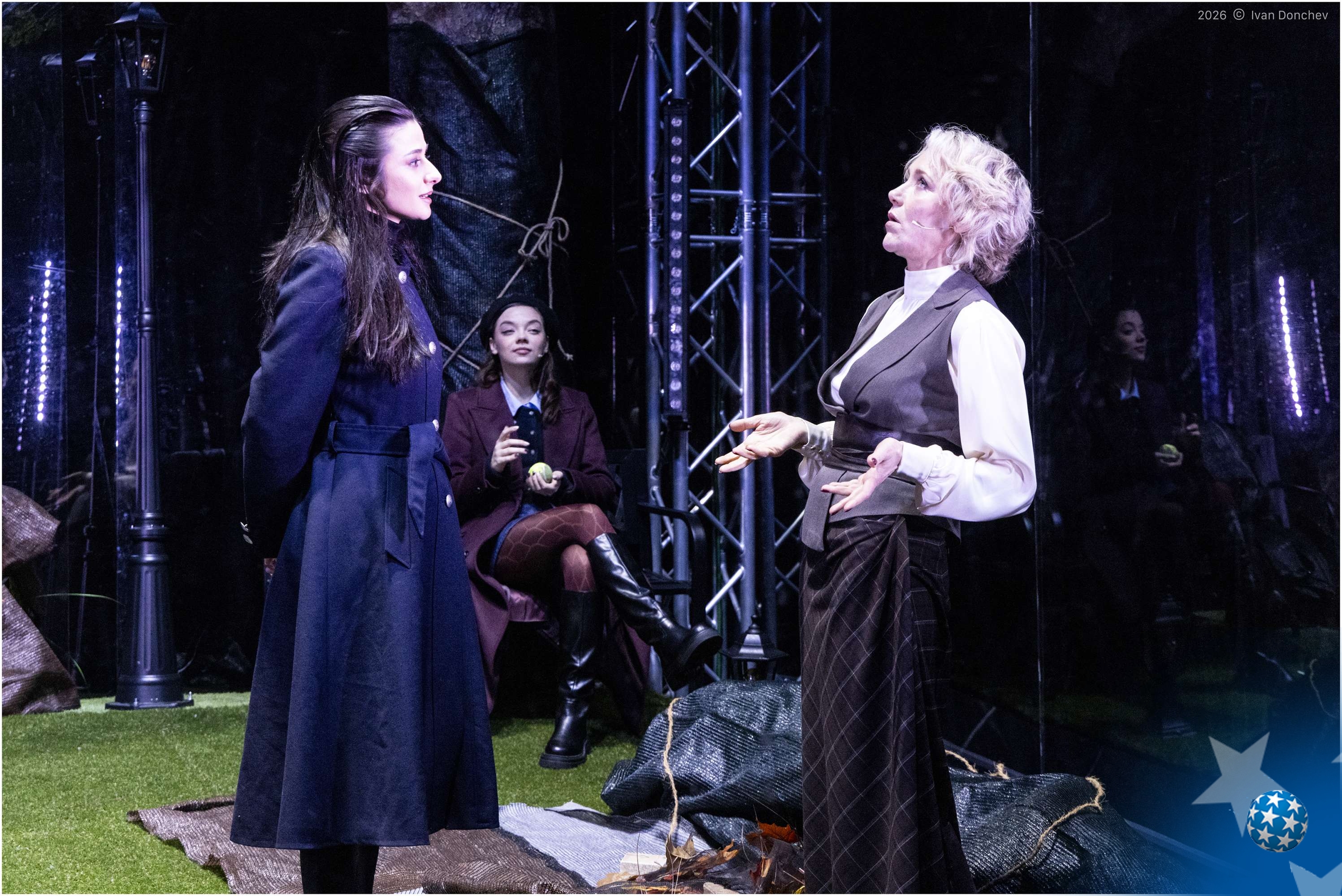
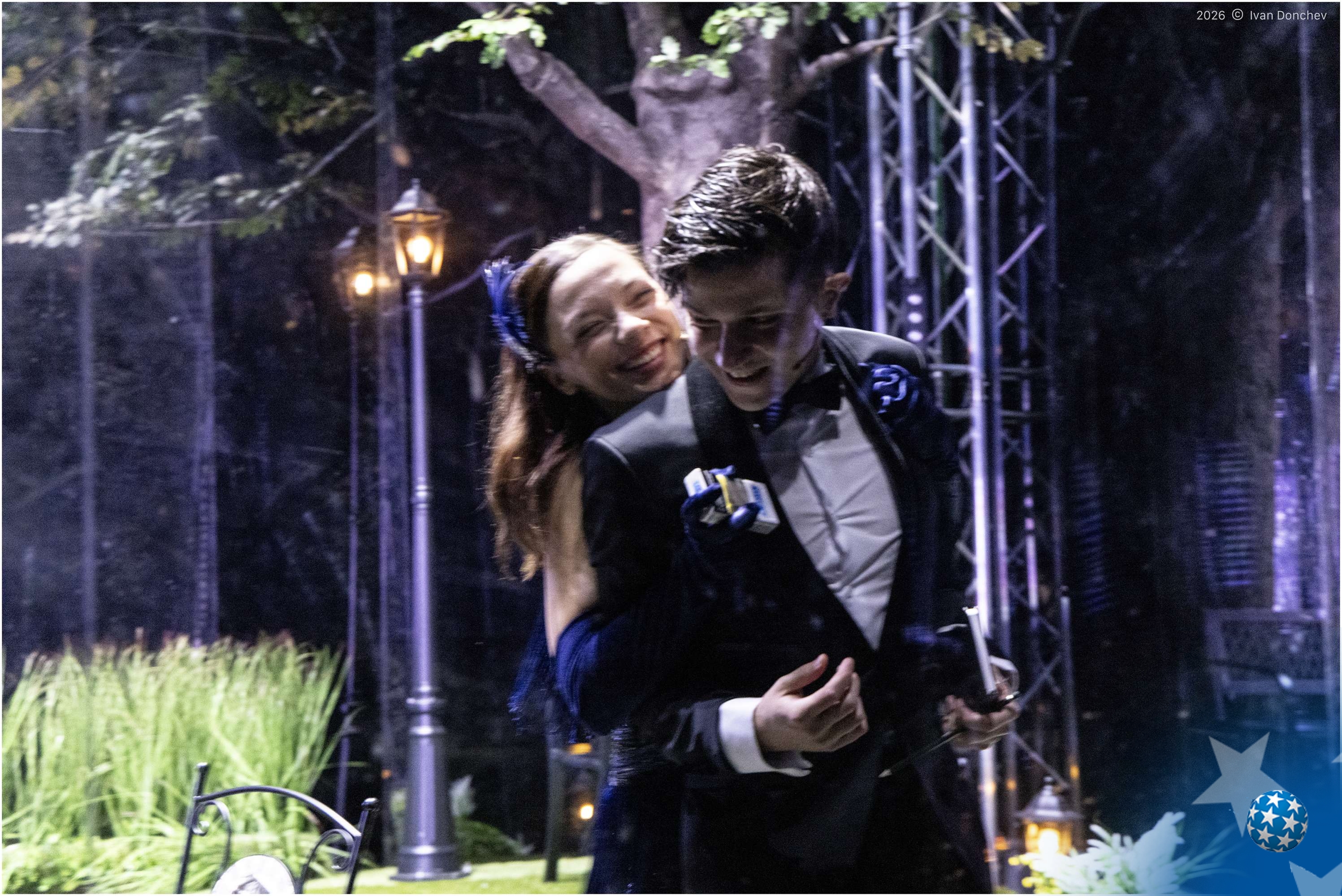
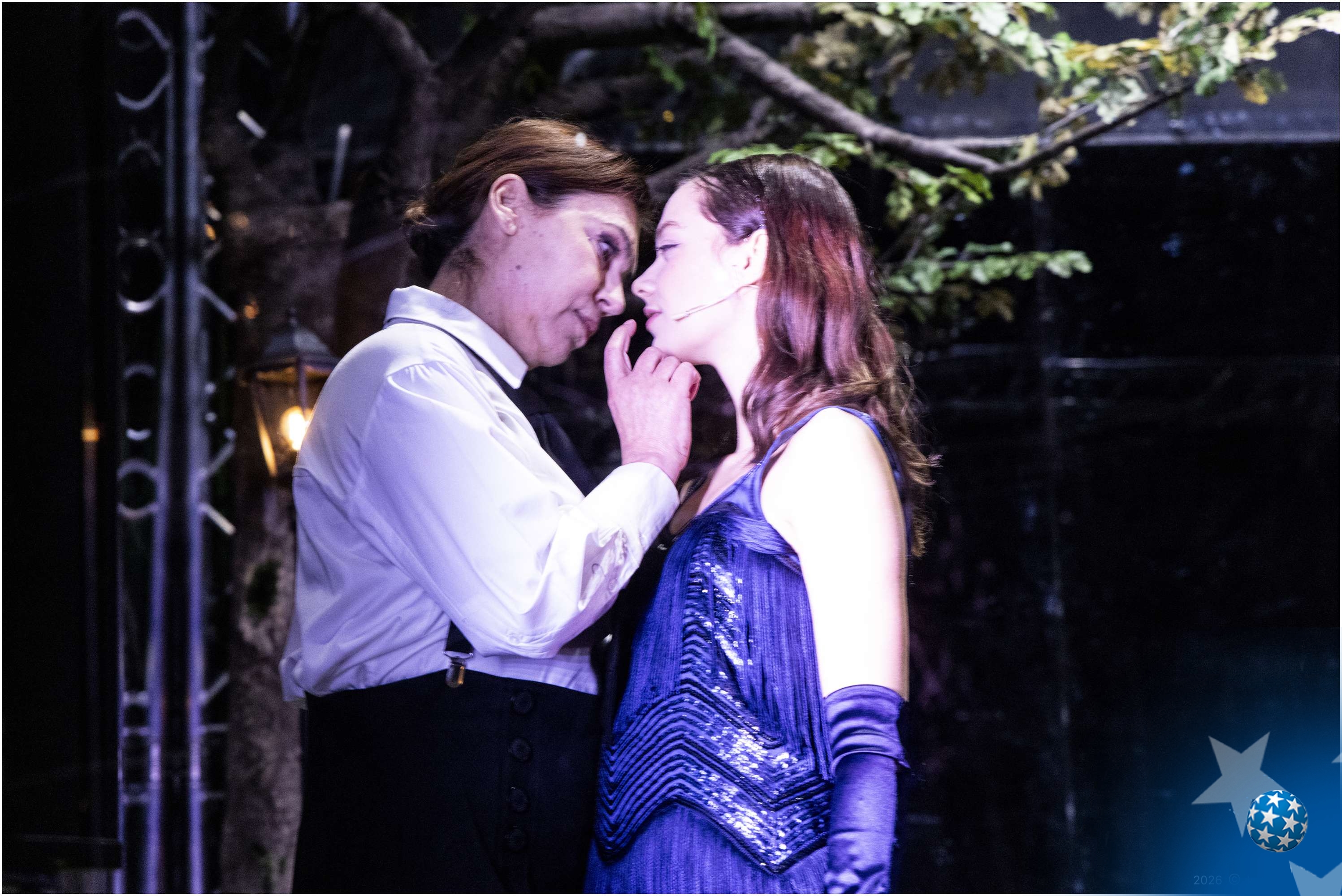
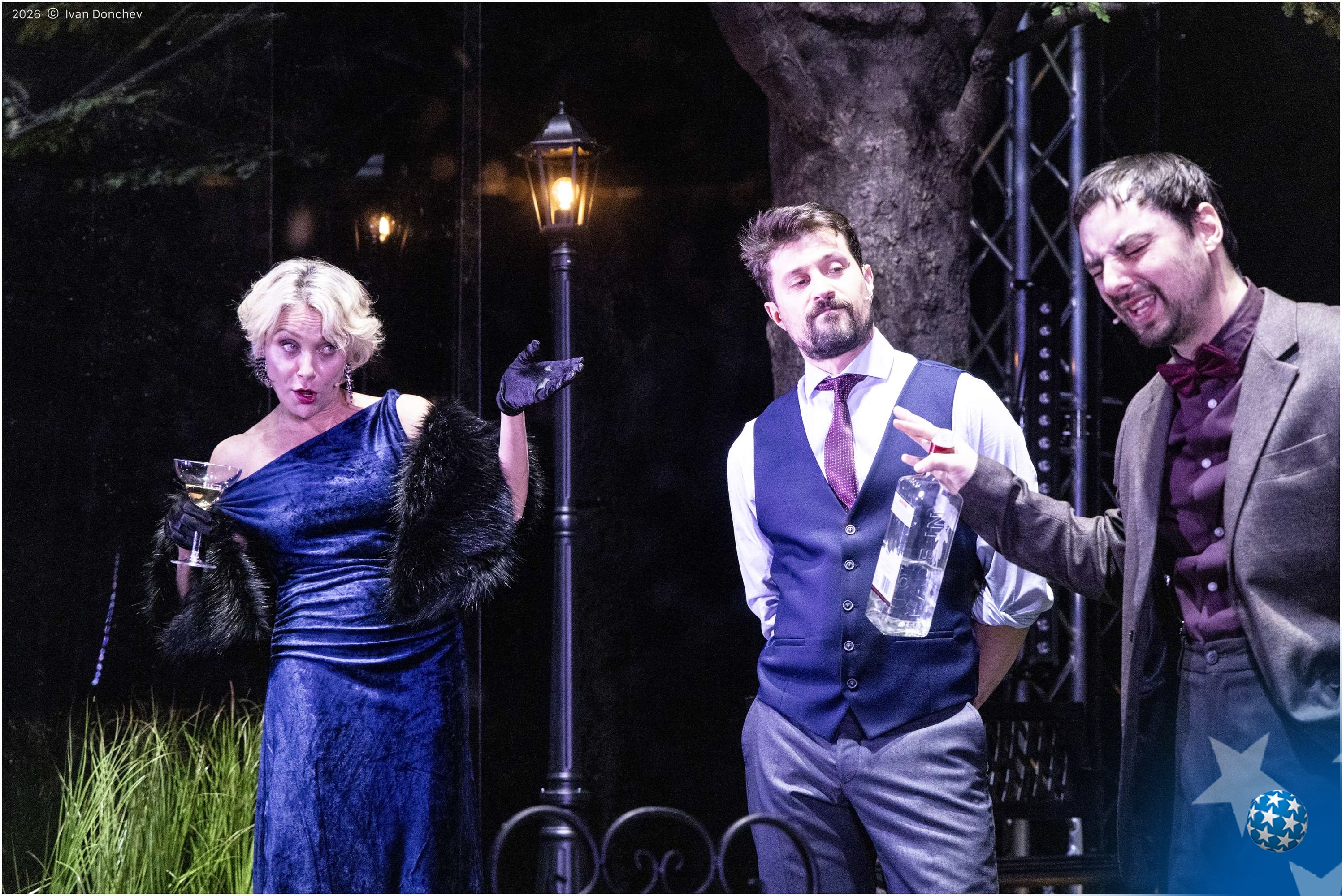
Koina Ruseva plays the central role of Audrey, while Stanka Kalcheva, Kiril Nedkov and Eleonora Ivanova, together with the rest of the ensemble, create relationships that continually shift under the pressure of different memories and expectations.
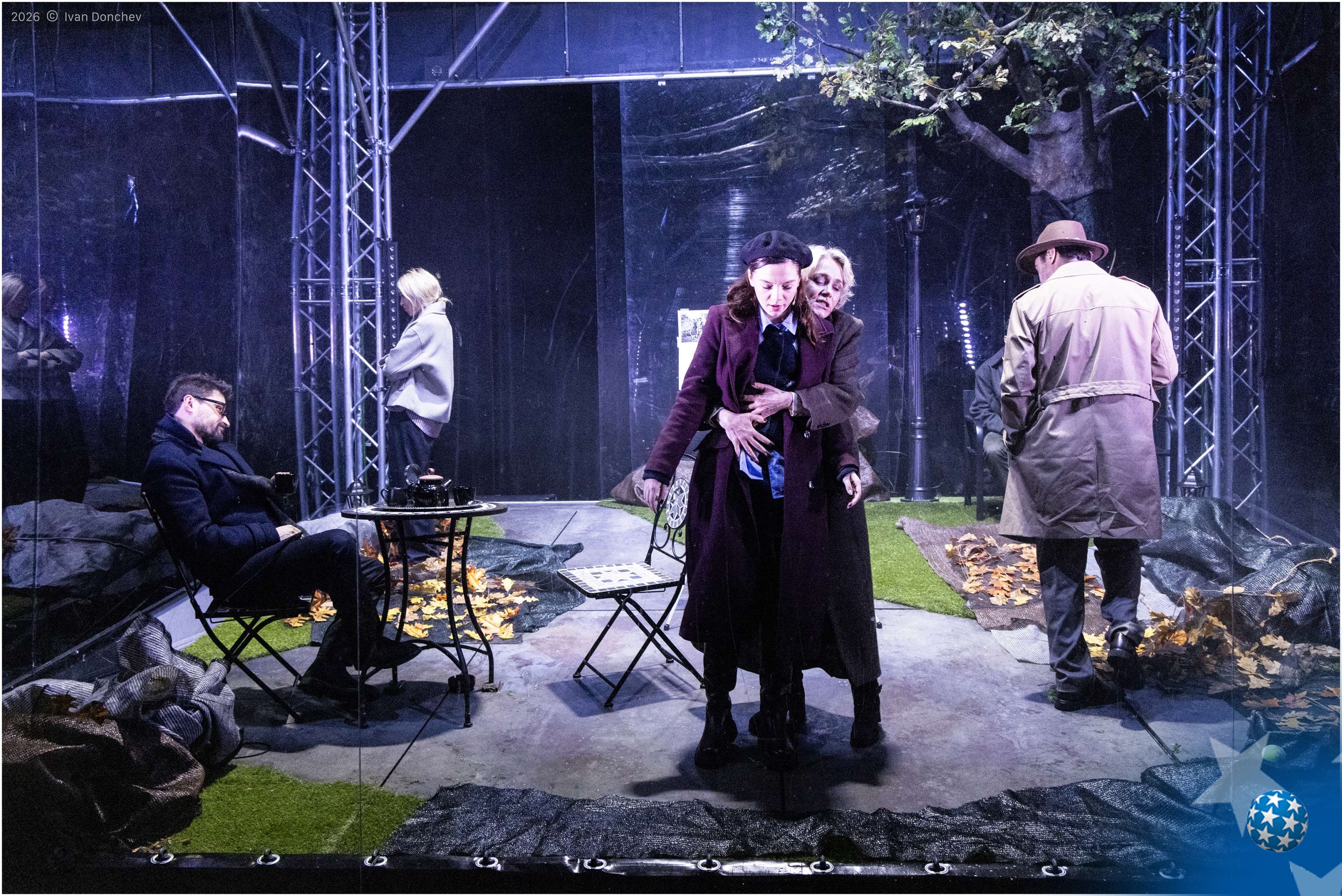
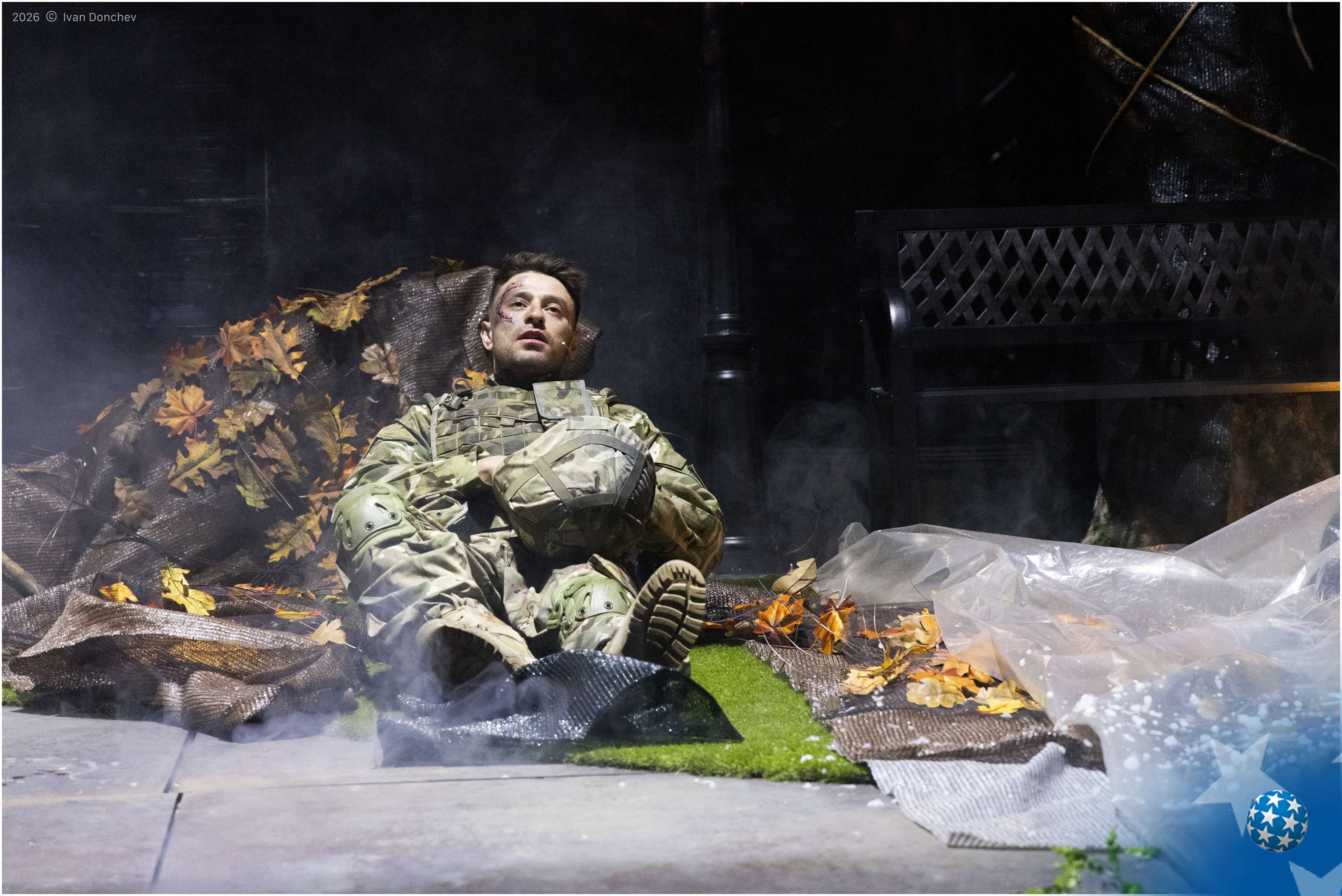
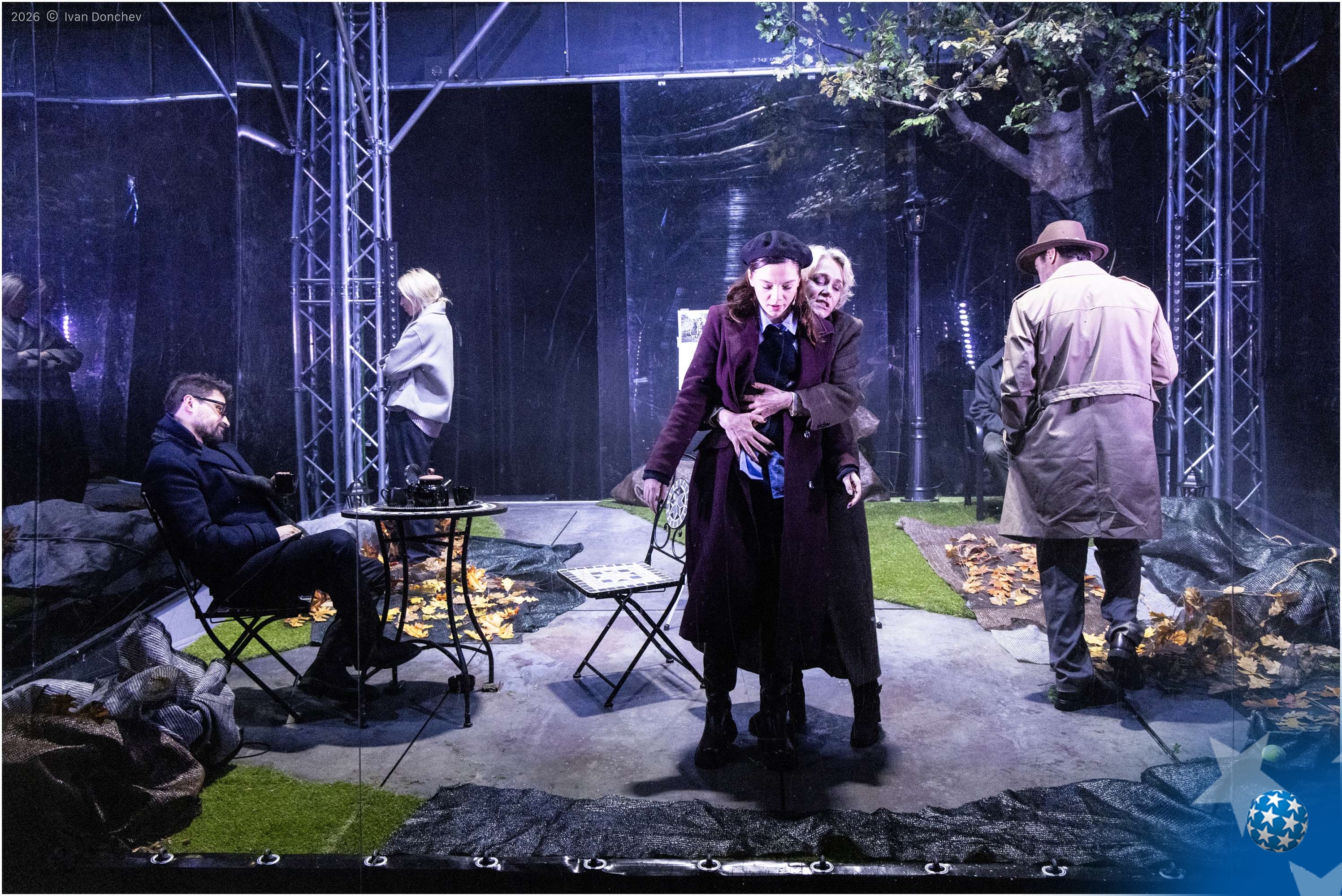
Elis Veli's set design uses a rotating garden as its principal scenic element. Its constant movement allows the space to function simultaneously as a garden, a family space and a place of transformation through which the characters move. In certain scenes, the lighting extends towards the auditorium, further shifting the boundary between the private world of the performance and the audience.
Albion thus remains suspended between the attempt to restore what has been lost and the acceptance that the past we wish to recover does not belong to us alone.
About the Performance
"I believe that in life there comes a moment when you stop for a second, look within yourself, and realize that the last joy you truly felt was years ago — perhaps in childhood. Between that moment and now, everything has changed — quietly, naturally, imperceptibly. You have lost people you never believed you would lose. You have learned to live with questions that have no answers.
Time does not stop. It does not ask how you feel, whether you are happy — it simply moves on, and you with it. Until that moment when you become a stranger inhabiting the places you once called home. You walk along streets that hold a thousand memories for you, but something is different — something is missing. The smile of a childhood friend, the laughter of someone you loved, the long summer days, the carelessness of youth.
All of that is left behind and has turned into an echo that no longer belongs to you. And perhaps there is meaning in all of this — the ache of nostalgia proves that you felt, that you truly lived in that moment. That there is no need to fight time. That you do not need to build your own ALBION."
Zafir Radjab